Educational content for relaxation and stress management. Not medical, psychological or health services. London, United Kingdom.

Evening Wind-Down Routines

Transition from work mode to restful evening time with structured relaxation practices.

Why Evening Routines Matter

After a busy day, your body and mind need time to transition. Evening wind-down routines signal to your system that work is complete and rest is beginning. This structured approach helps separate work time from personal time.

Our routines focus on progressive relaxation, breathing practices, and environmental adjustments that support this natural transition.

The Four Phases of Evening Relaxation

1

Transition (5 minutes)

Change your environment. Leave your workspace, change clothes if possible, and take a few deep breaths to mark the shift from work.

2

Release (10 minutes)

Progressive muscle relaxation or gentle stretching. Release tension systematically from your head down through your body.

3

Settle (10 minutes)

Structured breathing or meditation. Slow your breathing and calm your nervous system through focused attention.

4

Engage (variable)

Enjoyable personal activities. Reading, gentle hobbies, or time with loved ones in a relaxed setting.

Environment Setup

Your surroundings influence your relaxation. Simple environmental adjustments support your wind-down routine.

  • Lighting: Dim overhead lights and use warm lamps (2700K colour temperature).
  • Devices: Put phones and devices out of reach or in another room.
  • Sound: Use gentle background sounds or silence. Close doors to reduce work-related noise.
  • Temperature: Slightly cool room (around 18°C) supports relaxation.
  • Comfort: Wear comfortable clothing. Have blankets or cushions nearby.
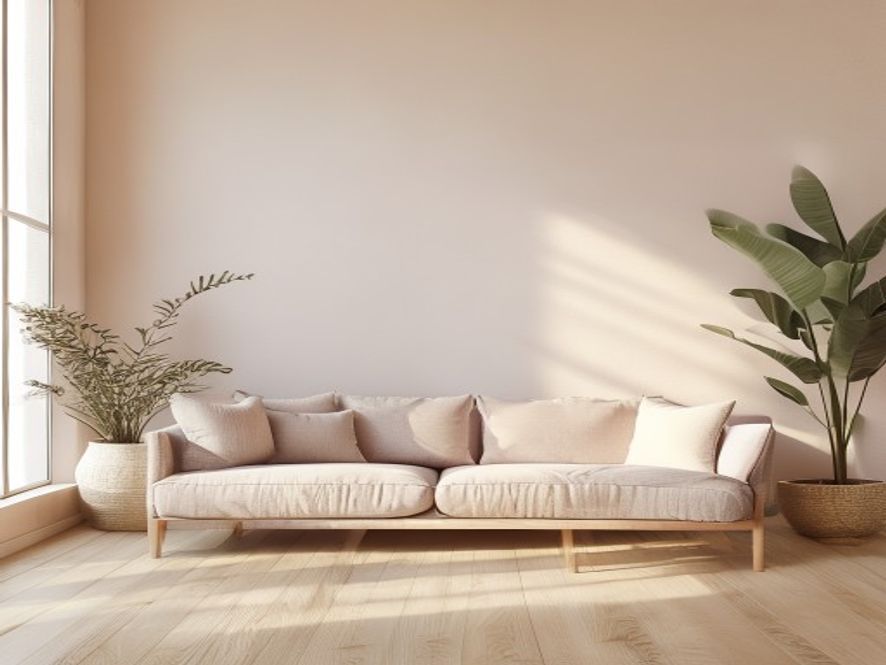
Warm-lit comfortable space with pillows and soft furnishings, no people

Sample 30-Minute Evening Routine

A complete relaxation sequence you can follow tonight.

00:00–05:00

Transition & Body Scan

Change clothes. Sit comfortably. Slowly scan your body from head to toe, noticing tension without trying to fix it yet.

05:00–15:00

Progressive Relaxation

Starting with your feet, tense each muscle group for 5 seconds, then release. Work upward through legs, torso, arms, and face.

15:00–25:00

Breathing Practice

Breathe in for 4 counts, hold for 4, exhale for 6. Repeat for 10 minutes. The longer exhale activates relaxation response.

25:00–30:00

Settling

Sit quietly, allowing your mind to settle. Move gently into your evening activity when ready.

This is an illustrative sequence. Adapt timing and techniques to your preferences and needs.

Common Questions

Even 10-15 minutes of structured relaxation can be effective. Our sample routine is 30 minutes, but shorter versions work well. Consistency matters more than duration.

Ideally 30-60 minutes before you intend to sleep. However, wind-down routines are beneficial any time you need to transition from work stress to personal relaxation.

Absolutely. Evening relaxation practices are beneficial any day. Many people find weekend wind-down routines equally valuable for transition and restoration.

Ready to Improve Your Evenings?

Our consultation service can help personalise these routines to your specific schedule and preferences.

Book a Consultation